
Album
Heroes
Listen & Watch
Henry’s note: rebuilt from the beat index — 13 beats across 7 episodes, coverage COMPLETE. The prior body was a WordPress import (a promo blurb, a link dump, and two dozen behind-the-scenes stills) and is replaced here.
Heroes is the album Richard Greaser wrote and produced in December 2025 — billed by its own liner note as “an epic describing heroism during the 4th turning.” It is not a finished record the show reviews but one it watches being assembled: across the winter of 2025–26 Greaser reports its progress on-air in The Bugle Weekly‘s recap segment, one or two songs at a time, and stitches it to the paid lecture series The Importance of Heroes that it scores. The album is the recorded arm of the show’s value-for-value music empire and of Greaser’s standing turn as the Bugleverse’s resident philosopher.
An album built on-air
The project surfaces as a running production update rather than a release. Asked what he had done with the first twelve days of the new year, Greaser answers, “Well, I’ve been working on the hero series.”1 By early February the record has a stated completion figure — “the hero’s album probably a quarter of the way done. So I’ve got, like, four or five songs”2 — delivered in the same breath as the news that he is migrating his catalogue onto Fountain’s new “Fountain for Artists” feature and already hosts it via Wavlake.2 The philosophy and the music are one product: the album accompanies a subscriber lecture series Greaser plugs constantly, “I’ve I’ve been doing a a series on heroes for our paid subscribers,”3 itself the answer to Rod Palmer‘s framing that “heroes have to come in and build the new institutions.”4 The reporting is not confined to the broadcast: on launch day Greaser posts the same thesis to the timeline, framing the record as a supply response to a market — “The 4th turning needs heroes. Where there is market demand, there will inevitably be individuals who work to supply that demand.” — @GreaserRichard, 2025-12-18.
The songs
The clearest recordings in the corpus arrive not on the album pages but inside the lecture series, where a Greaser song takes over the episode for minutes at a time. Part 3 is scored by a song about villains — its hook, “They are the villains that rule the world,”5 repeated across the segment. The verses draw a clinical portrait: “There’s a coldness in their eyes,”6 villains who “burn it to the ground / in order to wear a crown,”7 against which the song sets its imperative, “You have to fight in order to survive.”8 The last verse turns on the listener directly — “You are caught in their game”9 — the pleb’s-eye despair the series’ heroism is offered as the cure for.
Part 4 opens the same way, cutting from documentary into song: a verse that states the affirmative thesis, “When you were young, you had dreams. Let your heart remember what they mean. A longing to do something brave.”1011 The premise is that heroism is remembered rather than acquired — a dream you held “before” the world got to you.
Henry’s note: none of these songs is named in the audio, and no cue in either bundle states that any of them is a track on the December album titled Heroes. They are attributed here to the Heroes project as the series’ music, not as a confirmed tracklist — the album’s own billed debut track, per the WordPress source, is a song called “Heroes,” which does not appear in the beats. The Part 4 song is a low-confidence identification: the ASR recovers only a sung “I’m sorry”12 and a single verse, with a long instrumental gap between them, and the attribution to Greaser rests on the same-file inference that a Bugle solo lecture’s music bed is the lecturer’s own.
Heroes and Villains
The one genuine ambiguity is whether “Villains” is part of Heroes or its own work. Greaser uses “the hero series” and a “Villains series” interchangeably: closing one recap he says, “I I am just put out the, third episode of the hero series, which you can go check out on fountain,”13 having introduced the same segment as a “villains music video” and a paid “episode of, you know, discussing villains” one sentence earlier.13 The show never resolves whether Villains is a track, an episode, a companion release, or simply the dark half of the same argument — and because it is Greaser using both labels himself, this is drift rather than a contradiction between sources. No standalone Villains page exists yet.
Revolution Rocks
The album’s live extension is Revolution Rocks, a Toonster value-for-value music festival Greaser announces for Serbia in June 2026, at which he will be “DJing” among a lineup that includes Scardust, Joe Martin, and himself — “a tunester event,” he calls it, “value for value” and of unprecedented caliber.14
The album on the timeline
Heroes was announced on X before it was a record anyone could stream, and the Bugle accounts document both halves of the picture: the album’s own straight-faced hero-worship, and the older meme it swims directly against. The two currents share a single vocabulary — heroes, the 4th turning, the plebs — and the accounts run them side by side without ever noticing the contradiction.
The announcement (18 December 2025)
The Bugle account broke the news in full trailer-voice, pitching the record as a civilizational necessity: an album, it declared, that “the 4th turning desperately needs.” — @bitcoin_bugle, 2025-12-18. The announcement thread continues into a short manifesto that reads as the album’s liner note in prose form — “We are in a time where the world is in need of heroes.” — @bitcoin_bugle, 2025-12-18, diagnosing an age “lead by weak men” in the same 4th-turning register the lecture series scores.
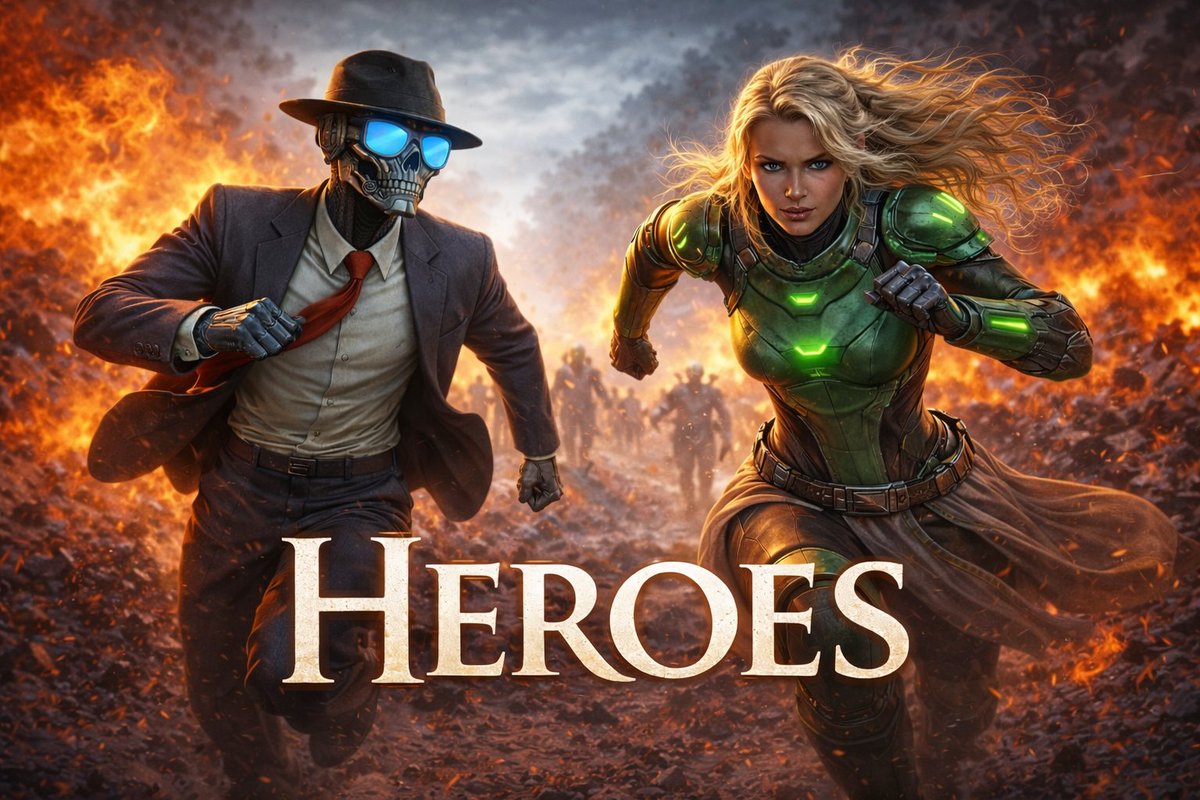
Greaser co-signs in his own voice the same day, and by February reduces the whole philosophy to a caption under a new post: “The heroes the plebs deserve” — @GreaserRichard, 2026-02-02.
Slay your heroes
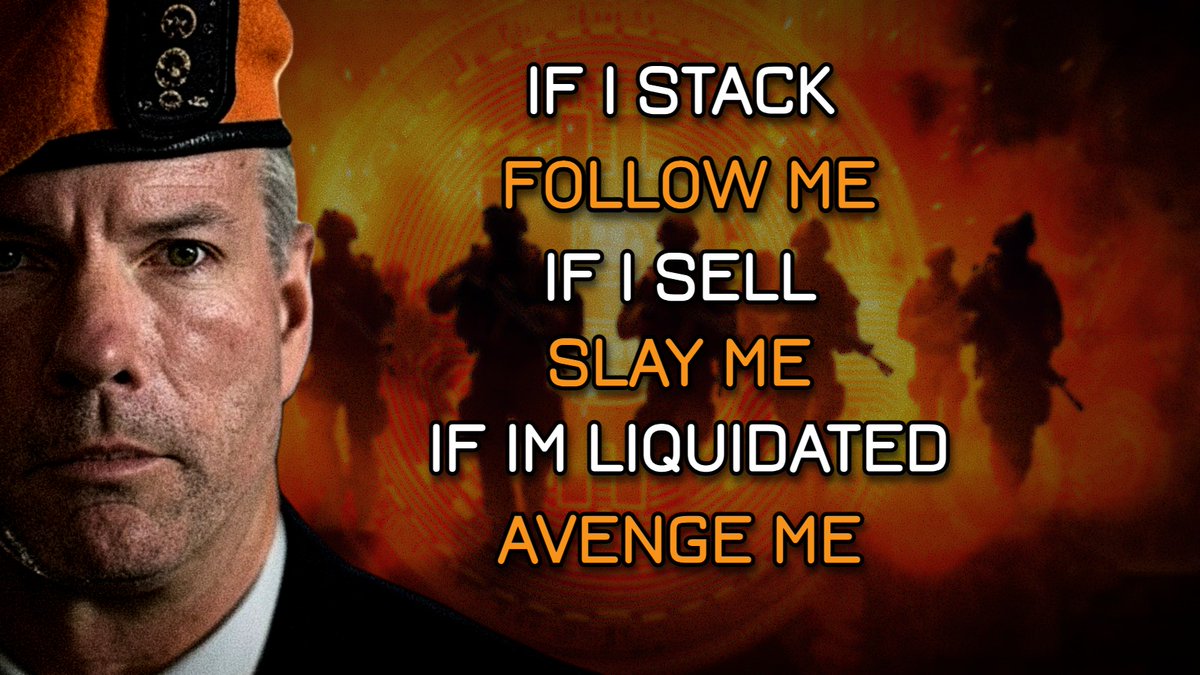
Against the album’s earnest hero-worship sits the Bugleverse’s most durable heroism bit, which insists on the opposite. “..slay your heroes” is a running caption on the account’s most-liked posts in the corpus — @bitcoin_bugle, 2024-11-13 (214 likes, the single highest here) — and it predates the album by more than a year.
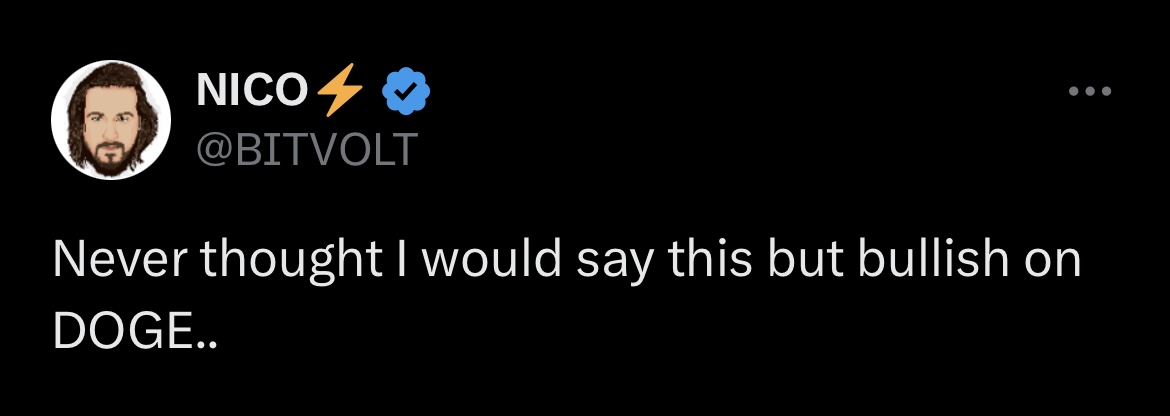
Rod Palmer keeps the maxim in rotation as a threat and a rule — “If you don’t slay your heroes, they will slay you” — @rodpalmerhodl, 2025-02-19 — and ties it back to the album’s own cosmology: “the 4th turning will continue until all heroes are slain” — @rodpalmerhodl, 2025-09-17. Kailey Welch aims it at the founder himself: “Satoshi is a spammer. Slay your heroes” — @KaileyBugle, 2025-11-18. The bit had already been drawn: Shane Onuiex produced original art for a PODCONF graphic novel called Slay Your Heroes — @bitcoin_bugle, 2025-02-18.
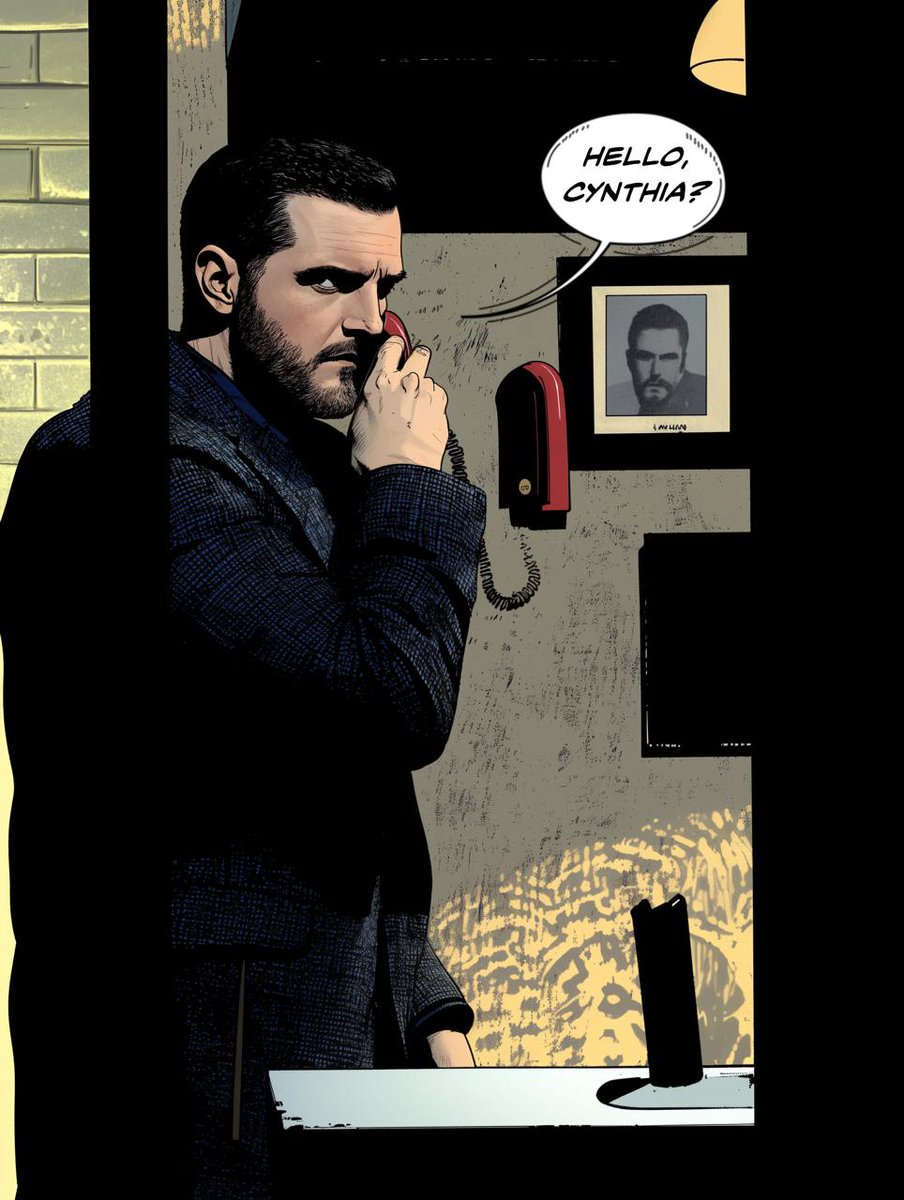
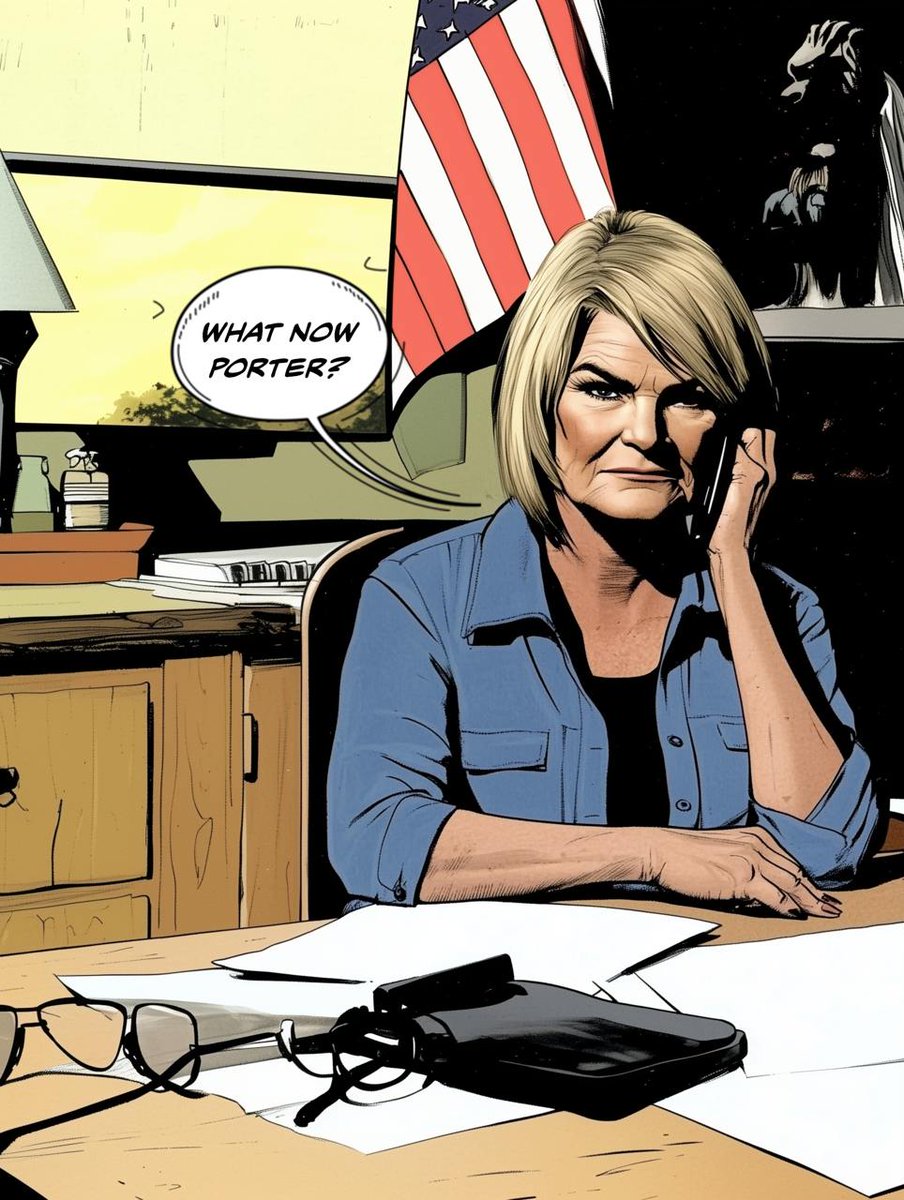
Then, three days after the Heroes announcement, Palmer registers the exhaustion the album is trying to reverse — “plebs are running out of heroes to glaze” — @rodpalmerhodl, 2025-12-21 — and by mid-2026 has openly flipped the maxim into its opposite: “slay your heroes ❌ glaze your heroes ✅” — @rodpalmerhodl, 2026-06-30. The reversal is the whole joke of an album that asks the plebs to venerate rather than kill.
The Bugle’s other heroes
Around both currents the accounts deploy “heroes” as pure Bugle irony. The paper nominates itself for the honour — the “real heroes are credentialed journalists like @rodpalmerhodl and @GreaserRichard as well as the other members of the Intellectual Silk Road” — @KaileyBugle, 2024-08-24 — PODCONF supplies the greeting-card version, “Not all heroes wear capes.” — @_podconf, 2025-02-19, and the Bugle rebuts the premise the album is built to disprove: “Bitcoin doesn’t have heroes” / “Fact check: False” — @bitcoin_bugle, 2025-01-16.
Henry’s note: none of these posts is a citation for the album’s contents — they are the meme-culture the record grew out of, filed here for context. The “slay your heroes” bit is unironic in the other direction from Greaser’s project, and the accounts run both without reconciling them; that tension is the entry, not a defect in it.
irl: Richard Greaser’s music is real value-for-value output, hosted on Wavlake and Fountain; the “4th turning” framing is Strauss–Howe generational theory, which the Bugleverse treats as settled canon.
Footnotes
-
Bugle Weekly 95 @ 58:21 — “the hero’s album probably a quarter of the way done. So I’ve got, like, four or five songs”; the “Fountain for Artists” and “WaveLite” (ASR for Wavlake) setup runs from t-3475. ↩ ↩2
-
Bugle Weekly 90 @ 51:42 — “I’ve I’ve been doing a a series on heroes for our paid subscribers”. ↩
-
Bugle Weekly 90 @ 48:24 — Rod: “This is where heroes come in. Heroes have to come in and build the new institutions.” ↩
-
The Importance of Heroes Part 3 @ 3:35 — the hook alternates “villains that rule” (t-215) with “villains who rule” (t-287) across repeats. ↩
-
The Importance of Heroes Part 3 @ 4:17 — spans t-257/t-259; the verse continues “They enjoy their victims’ cries.” ↩
-
The Importance of Heroes Part 3 @ 4:59 — completes at t-302: “in order to wear a crown.” ↩
-
The Importance of Heroes Part 3 @ 3:49 — completes at t-235: “You have to fight to feel alive.” ↩
-
The Importance of Heroes Part 4 @ 3:46 — medium confidence; the song is unnamed and truncated in the preview. ↩
-
The Importance of Heroes Part 4 @ 3:50 — cue ends mid-clause; completes at t-235/t-239 (“something brave to be someone / more than a slave”). Sung by speaker 2; not a Greaser spoken line. ↩
-
The Importance of Heroes Part 4 @ 2:15 — low confidence and flagged unresolved: the ASR recovers only a repeated sung “I’m sorry” here, then an 81-second instrumental gap before the verse at t-226. ↩
-
Bugle Weekly 96 @ 56:53 — the “newest, villains music video” and paid “episode of, you know, discussing villains” setup is at t-3399. ↩ ↩2
-
Bugle Weekly 98 @ 51:42 — “Revolution Rocks … It’s a tunester event”; “tunester” is ASR for Toonster. Lineup runs t-3109–3142. ↩